COMMON

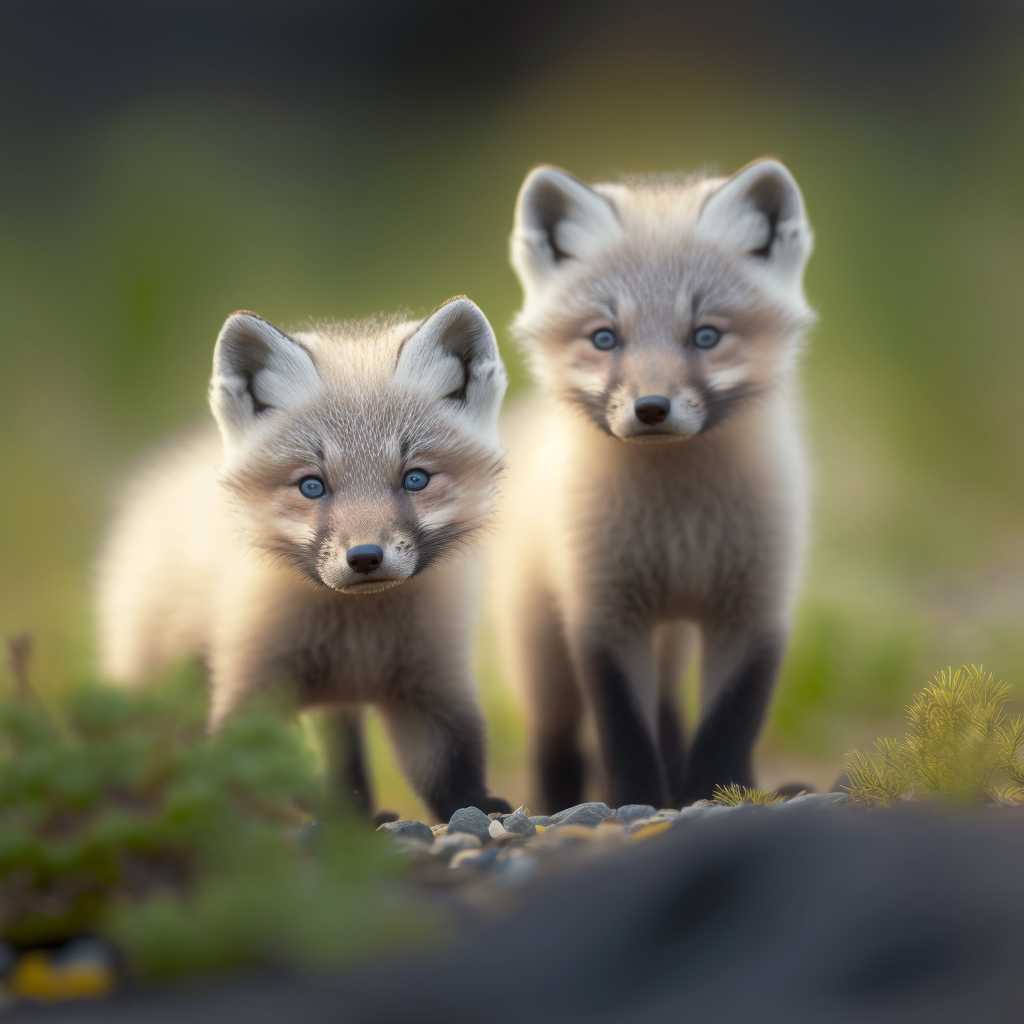
#230 Pinlup

The humble pinlup is a delightful breed of small animal common in wild areas near human settlements. It's a popular activity for parents to bring their kids out to play with pinlups, providing them with bread and berries to eat; in return, pinlups bless those they play with with good luck and fortune. Pinlup tongues are bright blue and used to be heavily poached for trophies, but the species' rapid population growth over the past decade has devalued any perceived rarity or uniqueness, allowing the species to thrive even further.

Release Date August 14, 2022
Sign up for a free account to claim this creature as your own.

♥ 0

♥ 0

Discover other creatures

Explore an endless universe of ficticious life on NovelGens.

RARE

#011 Ssene

Ssenes are strange, shapeshifting creatures that configure parts of their body to mimic specific features of any creatures they see, rather than transforming into a copy of their whole body. This "bioremixing" property typically results in horribl...

COMMON

#117 Gomligu

The gomligu is an large creature that resembles a rabbit, but with a long tail and thick, grey patches of rubbery skin. The gomligu is a rather shy and timid creature that flees readily, but they can occasionally be seen wandering about in enchant...

COMMON

#121 Etorgidur

Etorgidurs are some of the largest creatures in the world, reaching heights of up to 100,000 feet. They are very closely related to the fabled etorgs in origin, but take a more ghostly, ethereal form and largely ignore all other forms of life. ...

RARE

#273 Jideoray

Jideorays are a parasitic orange slime common in the warmer oceans that attaches itself to creatures to feed directly on their skin. Small fish will sometimes allow members of their school to host jideorays, as the toxic pheremone they produce als...

UNCOMMON

#276 Vuvegge

Vuvegges are small insects common to forests and jungles that don't develop a sense of sight until a late stage of life. During their early "formative" years, vuvegges use their large eyeballs as sacs to store additional food or resources. Vuve...

COMMON

#349 Flayansk

The flayansk originates in the far north, in the freezing highlands of Cotsk. Flayansk vary wildly in size throughout their life, growing quickly from the size of rodents to the size of large boulders, then eventually shrinking back to microscopic...