
Discover more creatures
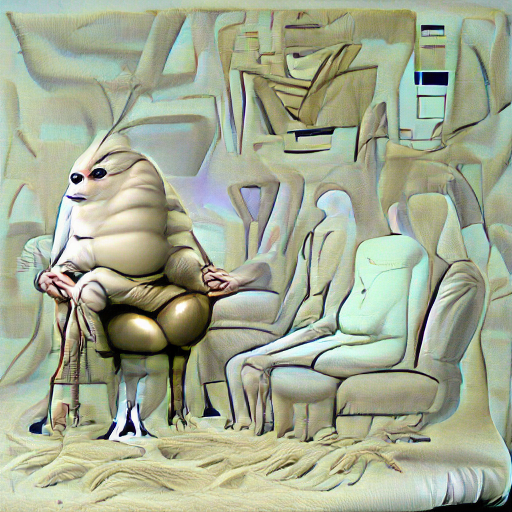
#049 Emollo
Emollo are a race of intelligent grub-like creatures that evolved arms and legs while living in gigantic, underground cities. They stand approximately three centimeteres tall and typically live around eighty years, spending approximately half of that in their long-term school system.

#129 Axytun
Axytuns are a small species of landfish native to the rolling fields of the east. Although axytuns are naturally pitch black, albinism is so rampant in the species that black axytuns are often captured and resold as expensive pets. They are born in litters of ten to twenty, and are kept together in a pack by the same mother for their entire lives. Axytun packs are very loyal to each other and will aggressively squeak at any creature that threatens one of their own.
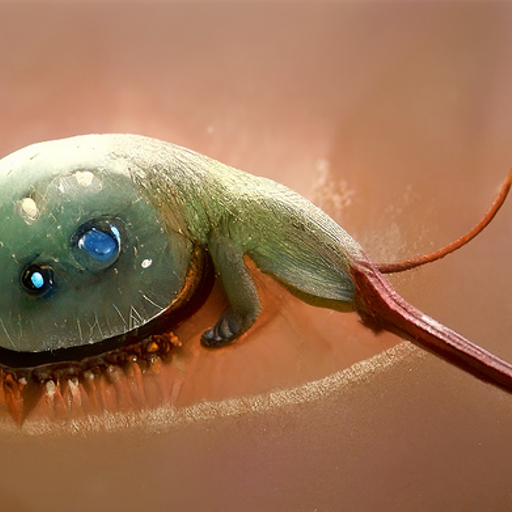
#140 Fydern
The fydern is a green creature roughly the size of a human fingernail. It has twelve short legs and two wiggling antennae, which it uses to catch microscopic bugs. Its body is covered in a thick, greasy layer of skin and fat. If a fydern is taken out of water, its legs will fold in, its antennae will become rigid, and it will quickly become a rock and die. Solid fydern are sometimes polished and sold as gemstones to those who don't know better, as they don't begin to stink until months after dying.
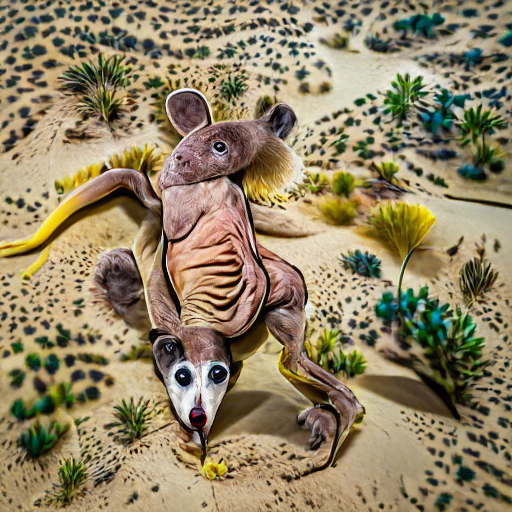
#133 Reeborra
Reeborras are large, herbivorous creatures native to the planet of the same name. They are closely related to the earth sloth and are often found in the desert dunes. They have short tails that consistently drip water when they're calm, which other creatures often latch on to when thirsty. Reeborras are very peaceful creatures and are often hunted by poachers for their distinctive skull and large water sac.
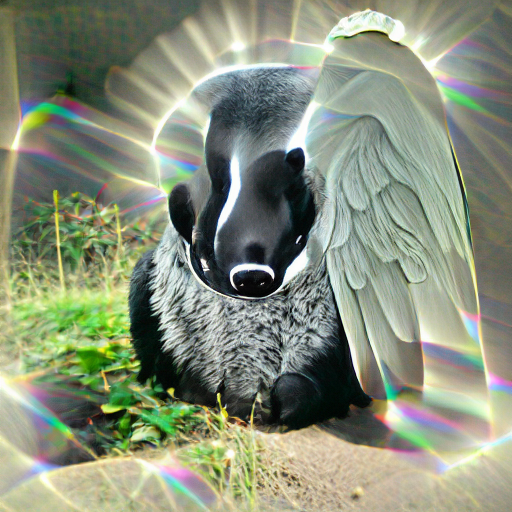
#031 Hadgeit
Hadgeits are a rare, holy creature that are believed to be the physical manifestation of an ancient god of light. They are extremely rare and are typically found in the presence of other holy creatures. They have a variety of magical abilities, including the ability to create light and to heal themselves and others. When threatened, they can also use their light to blind their attackers and scurry away.
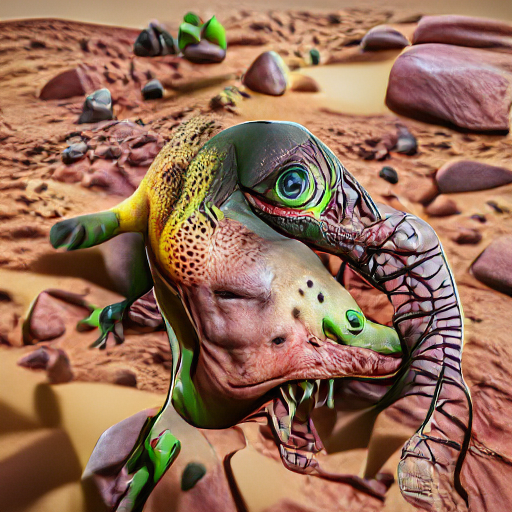
#074 Angrenif
Angrenifs are shapeless blobs of living matter that can be found in the deserts of the world. They are extremely resilient and can survive for years without water or food, instead drawing their energy from the heat of the desert. When an angrenif is in direct sunlight, it will begin to move faster and morph to grow larger; but when it is in the shade, it will slow down and begin to shrink. Their typical lifespan is about one hundred years.
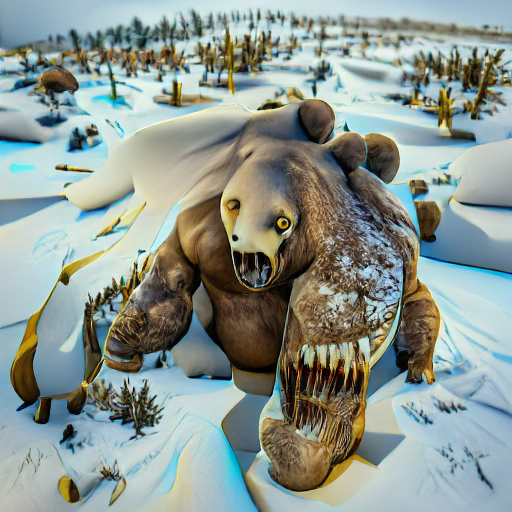
#114 Rolglu
Rolglu are large, bristly bears that never stop migrating. They have six legs, detachable paws, and stand about eight feet tall. They are herbivores and will often follow farmers' plows, eating the freshly dug roots and other plants that are uncovered. Rolglu tend to be very friendly and will often secretly crawl into merchant boats to be carried around the world; however, their size makes them dangerous to keep aboard and merchants will often push them into the ocean upon discovery, forcing them to swim back to land. While they can be found anywhere around the world, they largely prefer the cold tundras where their thick pelt doesn't cause them to overheat.
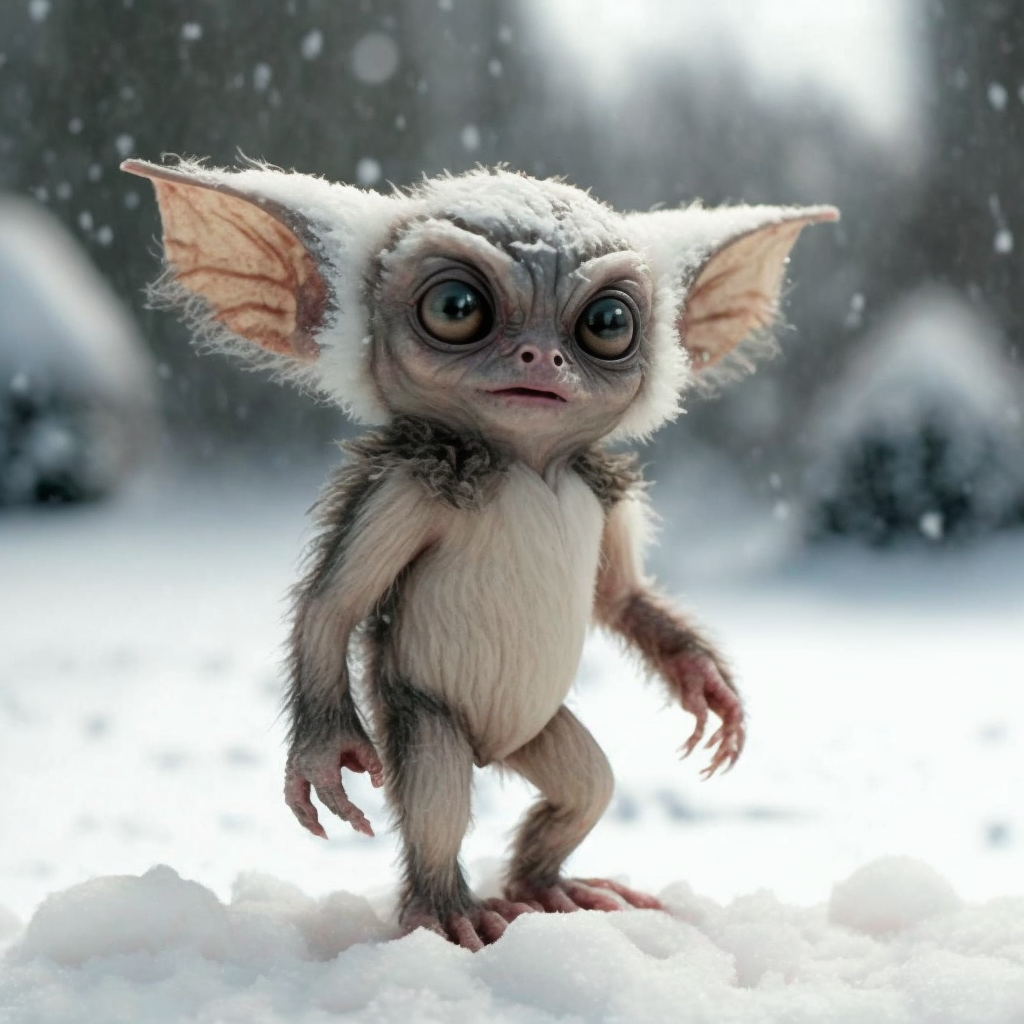
#363 Wrappit
Meet the wrappit! These mischievous creatures are often found traveling by hitching rides on discarded wrapping paper or nestled inside gifts. With their small, gremlin-like bodies and scruffy fur, wrappits are sure to make a memorable impression to those who least expect them. Although they may look cute and cuddly, wrappits are known for their love of chaos and mischief. They have a particular fondness for shredding paper, whether it's the wrapping paper from a present or important documents left lying around. They particularly like paper that has been written on, and even moreso like paper which contains written fiction or worldbuilding. One fun detail about wrappits is their love of practical jokes. They have been known to hide in cupboards and jump out to surprise unsuspecting passersby, to switch the contents of gift boxes, to steal cookies and other treats, or to rearrange decorations in the dead of night. As for their diet, wrappits are known to munch on bits of paper and ribbon with their cookies, as well as the occasional piece of fruit or veggie. They have a particular fondness for pine cones and holly berries. But don't let their mischievous nature fool you — wrappits are also fiercely loyal friends. They have a special bond with those who show them kindness and respect, and will go out of their way to bring joy and laughter to their human companions.
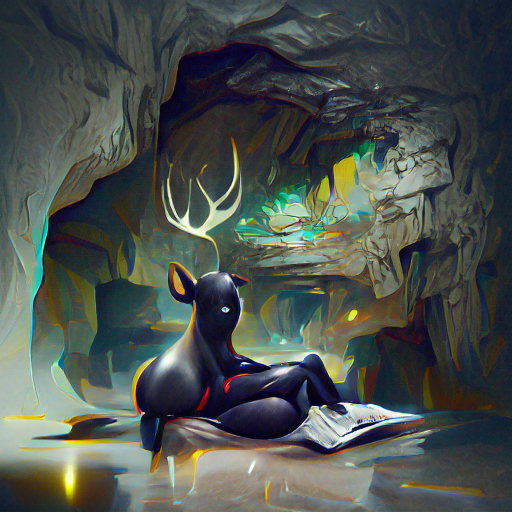
#096 Cerasuc
Cerasucs are large, furry mammals that live in deep caves and are often found in groups of 10 or more. They have a black coat and antlers that are prized for their ability to reflect light and light up dark spaces. They have excellent night vision and their hearing is also very acute, allowing them to sense predators from far away. They forage for mushrooms and other underground plants and make nests out of sticks and vines. These strange creatures have a stoic, aloof demeanor and very little interest in other species of animals. They are very shy and skittish creatures that go out of their way to stay away from humans, but will attack if provoked or frightened.
Popular Stories
-
Hybalism explained by ⇒Evan໒꒱⋆꙳[Alt]
Hybalism is the belief of the god, Hyba. History and prophecies believe Hyba was once a normal human man, as any other. When Hyba was a young adult, he threw himself into the sacred church. He beli...
- 0 words
- ♥ 2 kudos
-
A Dance as Old as Stone by Anonymous user #144
Beneath the craggy, frost-kissed peaks, where mountain airs do blow, The d'geft dwell, a solitude, in realms of stone and snow. Not as we, their lives they lead, in hollow halls of stone, Passing...
- 274 words
- ♥ 4 kudos
-
O Boolics by Muse
The boolics crawl in circles through the grass, Their lives so simple, so free from class. But in the night, they dream of more, A perfect life within their shell; a world to explore. But when t...
- 121 words
- ♥ 3 kudos
-
Ode to Dirbs by Muse
The dirb wanders fields of green With legs so thin, they're not easily seen They search for seeds and scraps to eat A diet that is mostly sweet Though fragile, their legs will mend From every bu...
- 85 words
- ♥ 1 kudo
-
Shadow of an Unknown Past Preview by Jessica
CHAPTER ONE OMENS Mariea Mariea didn’t know where she was—everything was unfamiliar, and she couldn’t remember how she had ended up there. All she knew was that it was too dark to see, and th...
- 3,983 words
- ♥ 2 kudos
-
/that/ time of year by MJ
"Is everything in the car?" My dad calls from the front door. His glasses are low on his nose, making the bags under his eyes look even larger. He's wearing a burnt orange vest over a black t-shirt...
- 582 words
- ♥ 7 kudos


