COMMON

#053 Electrofly

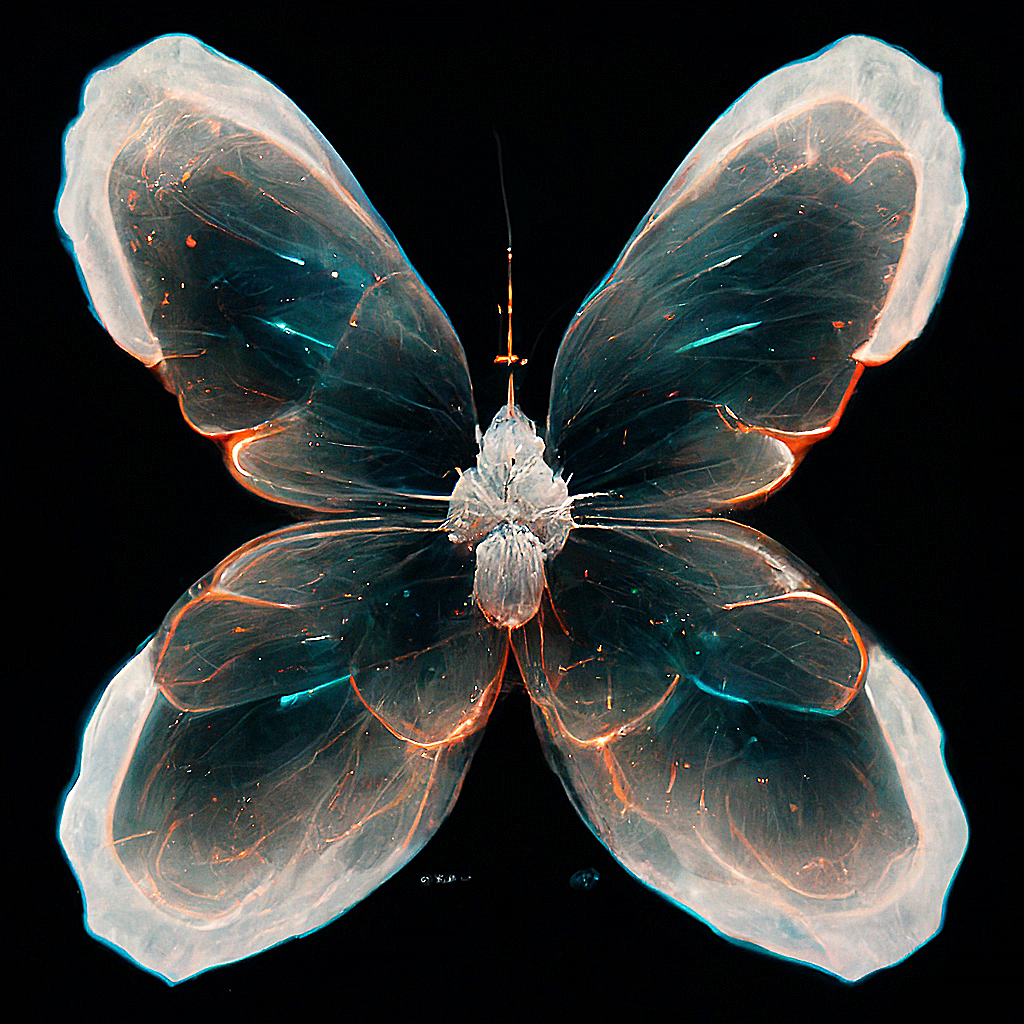
Electroflies are gaseous clusters of friendly, intelligent sublife that often physically get caught in airwave currents or magnetic fields, scattering the cluster in a perpetual cycle of trying to reform the cluster's desired shape and structure, which resembles a large, pearlescent butterfly.

Found in
Release Date February 18, 2022
Sign up for a free account to claim this creature as your own.

♥ 1

♥ 1

Discover other creatures

Explore an endless universe of ficticious life on NovelGens.

UNCOMMON

#217 Jauxckle

The jauxckle is a small mammal that typically calls colder forests its home, but will often wander into new areas in its post-life undead state. Although jauxckles exclusively feed on berries and other vegetation during their life, they also inclu...

UNCOMMON

#069 Seullen

Seullen are large, humanoid predators that contort their bodies into the optical illusion of a large bird to lure in and pick a fight with other large predators. Nearby villages can hear the tell-tale sounds of these fights from the haunting laugh...

COMMON

#173 Alu'fiku

Alu'fiku are reef-dwelling fish most notable for their false "dorsal eye", which remains open while they sleep to help deter smaller predators. This is particularly helpful for alu'fiku because they sleep in open waters, coasting forward as if swi...

RARE

#273 Jideoray

Jideorays are a parasitic orange slime common in the warmer oceans that attaches itself to creatures to feed directly on their skin. Small fish will sometimes allow members of their school to host jideorays, as the toxic pheremone they produce als...

RARE

#233 Pewarra

On the plains near the city, you can find the wingless pewarras that live in large herds, best known for their concave skeleton and recognizable gait. When threatened by a predator, pewarras will huddle together in a large circle and take turns ma...

UNIQUE

#374 Panileaf

A rare incubating leaf. When hatched, it's roots suck up all the nutrients in the soil and destroys the plants around it. These plants hatch a hundred years after they are taken out of their mother plant. The size of the leaves depends on how fa...