RARE

#209 Beleymer

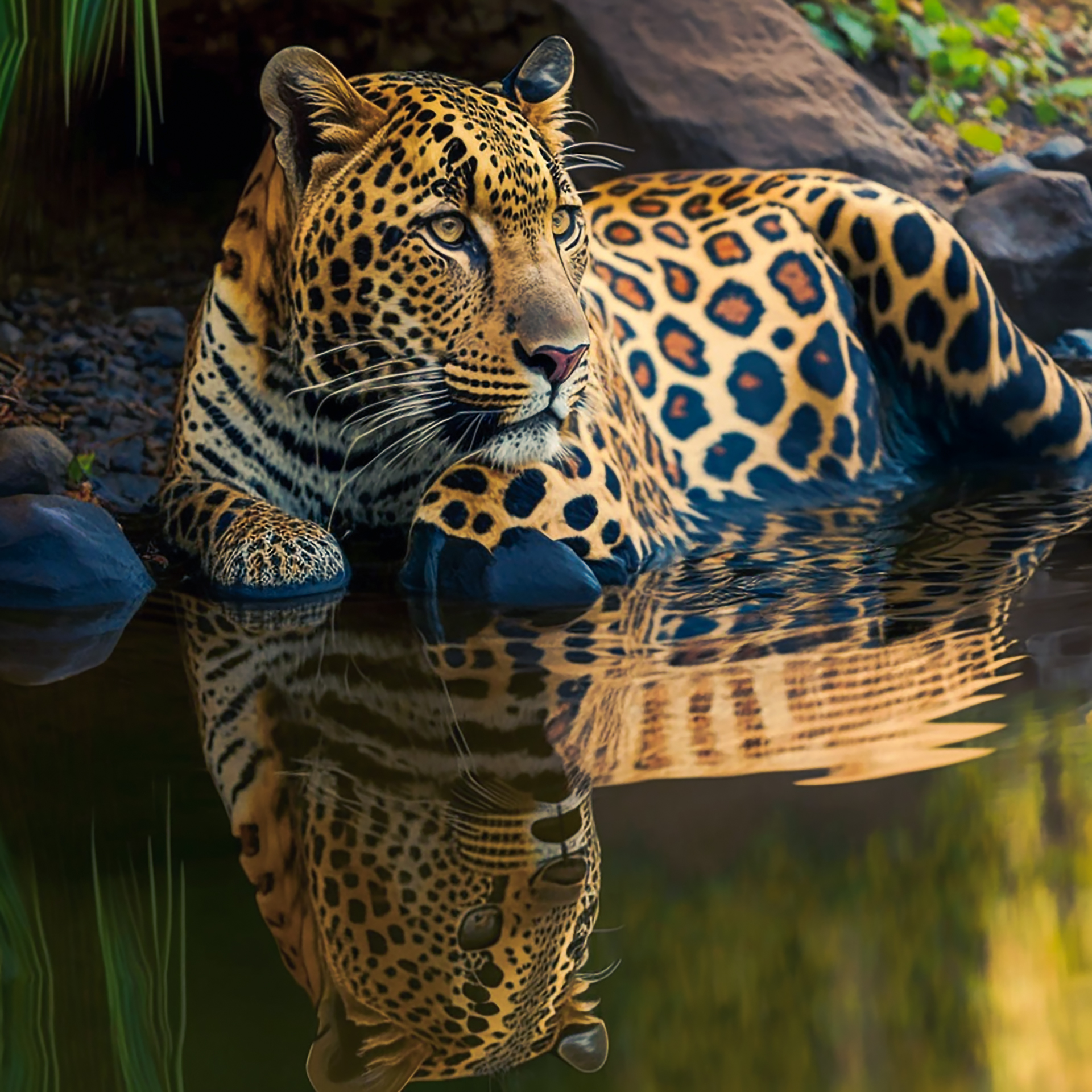
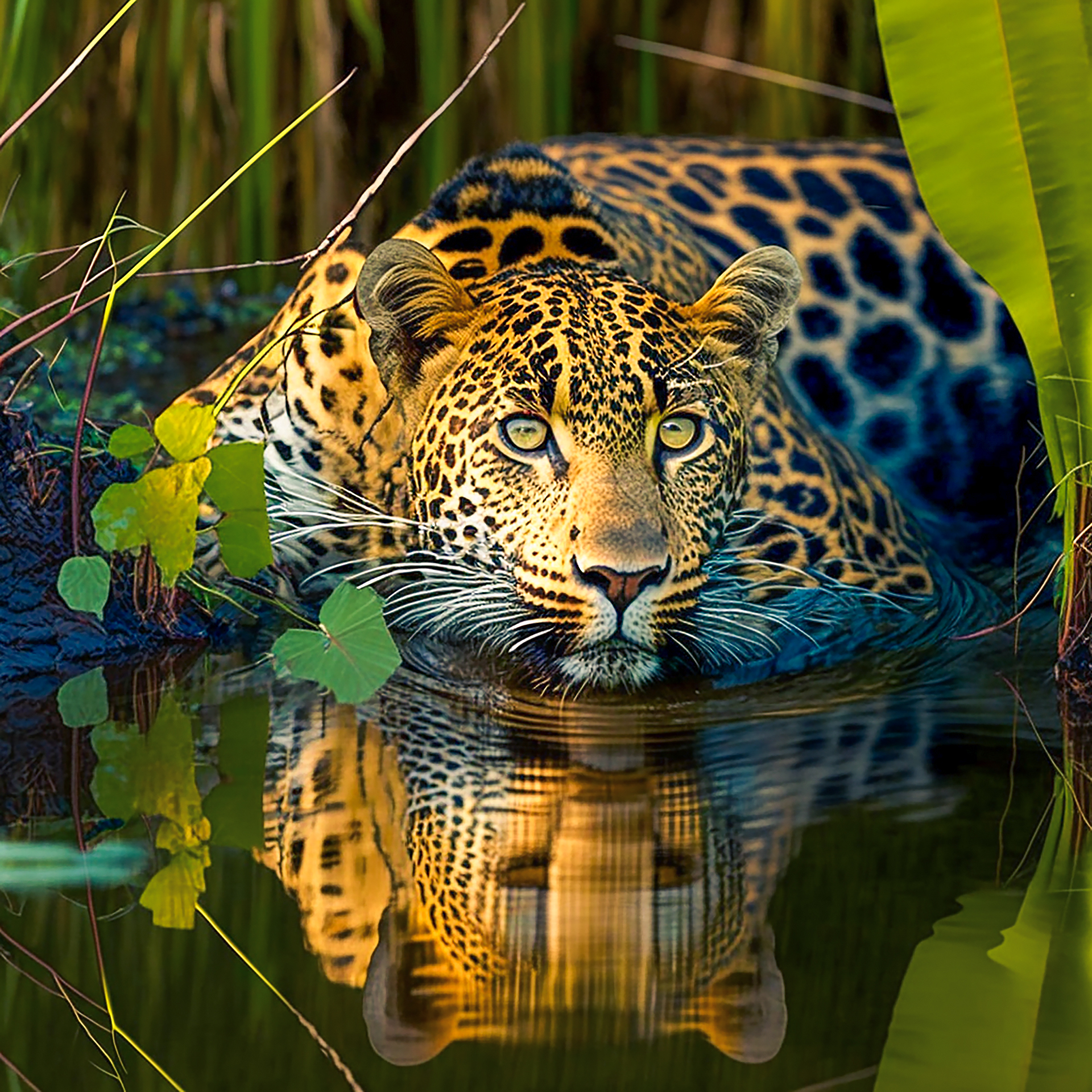
Beleymers are enormous, leopard-like creatures that live in the swamps and marshes in the north. When they are not hunting and eating, they enjoy wallowing in mud and sleeping in the sun. Beleymers live in families and often work together to catch prey, forming long-term familial communities. Beleymer fur is extremely thick and heat-resistant, making their pelts extremely valuable to colder societies.

Release Date July 24, 2022
Sign up for a free account to claim this creature as your own.

♥ 1

♥ 1

Discover other creatures

Explore an endless universe of ficticious life on NovelGens.

UNCOMMON

#007 Merm

Merms live in small groups, typically in the deepest reaches of the western oceans. They seem closely related to a potential aquatic fork of human evolution, but scientists haven't yet developed a way to communicate with them.

RARE

#142 Nethele

Netheles are physical-realm ghosts that are cursed to haunt cities and forests. They are not necessarily evil but are tricksy, always trying to trick the people they encounter into doing something foolish. Netheles don't have mouths, but can speak...

COMMON

#104 Ayri

Ayris are large, green worms that live near shallow waters. They can grow to be up to ten feet long and weigh up to four hundred pounds. They have a mouth with a large tongue in the middle of their head, which they use to feed on small fish, crabs...

UNIQUE

#127 Joprao

The joprao is a flying, amphibious creature which grows to be about four meters in length. It makes its nest in the long grasses of the savanna, where it lays and incubates its eggs. In order to attract mates and protect its territory, the joprao ...

RARE

#162 Dansi

The dansi is a species of fish that can be found near the water surface in many areas of the world. They have an average length of fifteen inches and an average weight of thirty ounces. Dansis have a very flexible spine which allows them to make r...

COMMON

#266 Zajg

Zajg (spelled zayg in some locales) are a faceless fish common in warm reefs. These large trawlers use a version of echolocation that provides better information about their surroundings compared to typical fish eyesight. This sensory system allow...